
Foundations Built on Stable Soil Layers
Excavation Services in Owensboro for residential projects requiring foundation trenches and drainage installation
Foundation walls that sit on undisturbed load-bearing soil rather than loose backfill prevent the differential settling that cracks slabs and jams door frames. H&M Property management provides excavation services throughout Owensboro, digging foundation trenches, utility corridors, and drainage systems for new construction and property improvements. You need precise excavation when adding living space, installing septic systems, or correcting grade issues that direct water toward existing structures.
Excavation involves removing soil to specified depths, maintaining trench walls at safe angles, and separating topsoil from subsoil for proper backfill sequencing. Trenching for utilities follows code-mandated depths that protect lines from freeze damage and surface loads, with hand-digging required within marked tolerance zones around existing infrastructure. General earthwork reshapes terrain to eliminate standing water, create level building pads, or establish positive drainage away from structures.
Request an on-site evaluation to review excavation depth requirements and discuss soil disposal or reuse options.
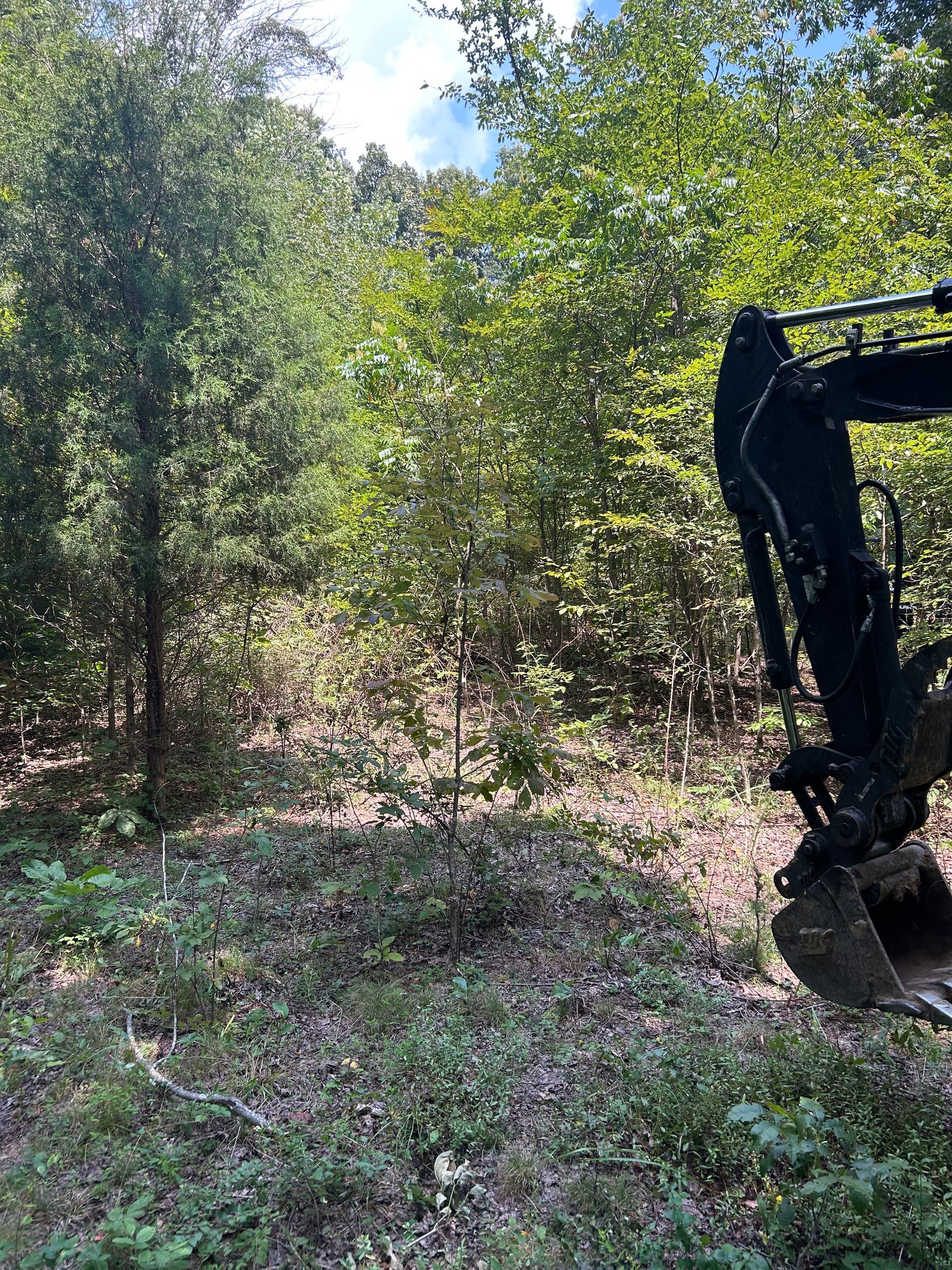
How Excavation Addresses Foundation Stability
Proper excavation reaches undisturbed soil layers that provide consistent bearing capacity across the entire foundation footprint, rather than stopping at convenient depths that leave soft spots. Operators probe test holes to verify soil type matches engineering specifications before pouring footings, since clay content and moisture levels affect compaction and load ratings. Drainage excavation includes perforated pipe installation below foundation level, wrapped in gravel that filters silt while allowing groundwater to flow away from basement walls.
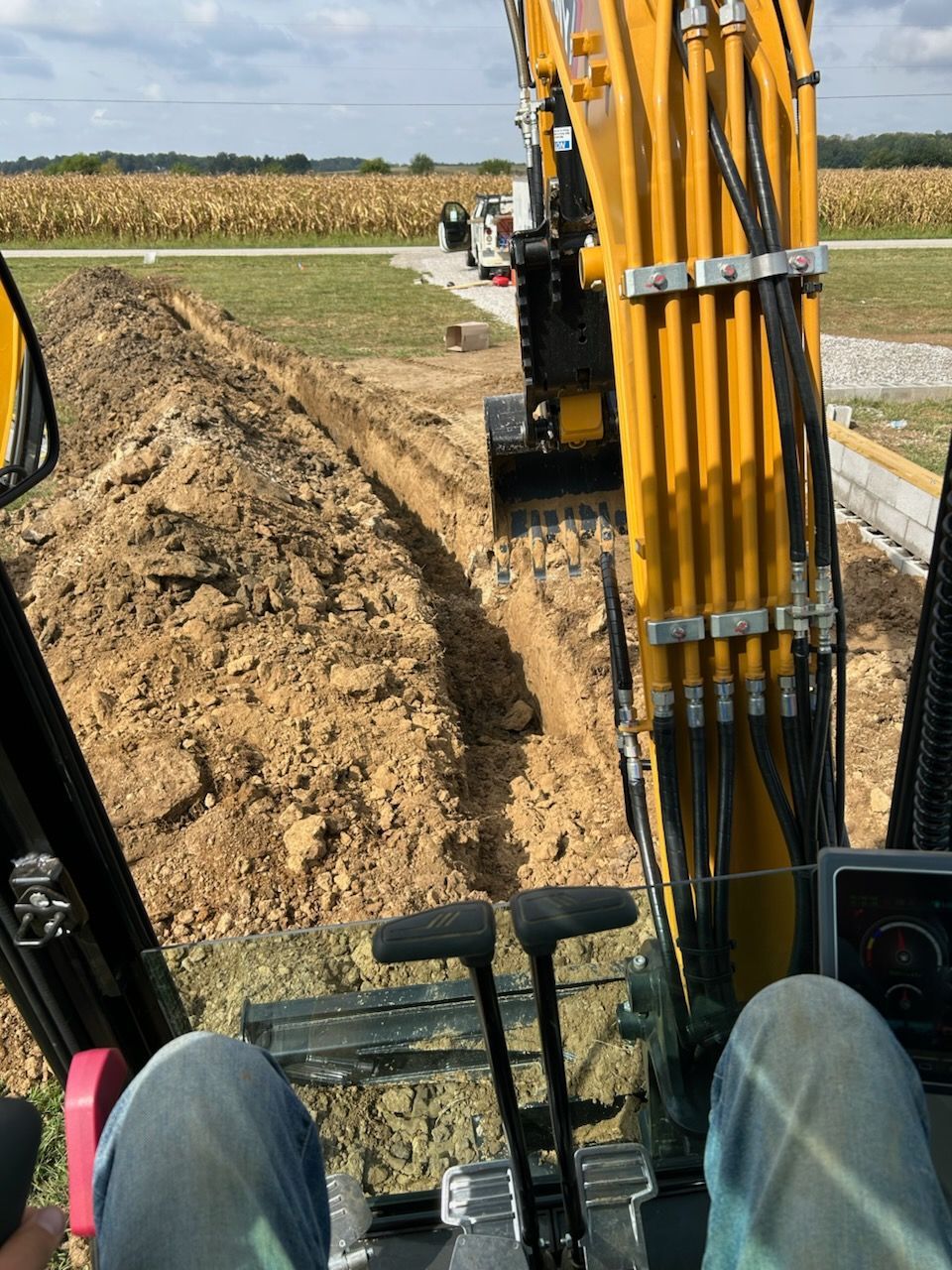
After excavation completes, you notice level trench bottoms, square corners that match foundation plans, and spoil piles sorted into topsoil and subgrade material for staged backfilling. Trench walls remain stable without shoring because excavators cut them at angles matching soil cohesion properties, preventing cave-ins during concrete placement. The excavated area shows no equipment ruts or compaction from tracked machines driving over areas that will later support structures.
Residential excavation often uncovers unexpected conditions like buried debris, rock layers, or high water tables that require design adjustments before construction proceeds. Wet weather delays trenching work since saturated clay smears rather than cuts cleanly, and trench pumping becomes necessary when groundwater seeps faster than soil absorbs it.
Answers to Frequent Service Questions
Homeowners preparing for foundation work or drainage projects often ask about depth requirements, soil conditions, and timing factors that affect excavation.
What depth do foundation trenches need in Owensboro?
Footings typically sit thirty-six inches below finish grade to reach below the frost line, preventing heave from freeze-thaw cycles that crack foundation walls and shift floor levels.
How does excavated soil get reused?
Topsoil gets stockpiled for final landscaping, while subsoil returns as structural backfill around foundations, compacted in eight-inch lifts to prevent voids that cause settling under driveways and walkways.
When should excavation happen during construction?
Excavation occurs after site clearing and layout but before concrete delivery, typically scheduled during dry periods when soil cuts cleanly and trench walls remain stable without constant pumping.
What causes excavation costs to vary?
Rock layers, high water tables, and limited equipment access increase labor and time requirements, while straightforward trenching in dry, workable soil proceeds faster with standard excavation equipment.
How do operators avoid damaging utility lines?
Utility locators mark underground infrastructure before digging begins, and hand tools expose lines within twenty-four inches of marked locations, preventing service interruptions and costly repairs.
H&M Property management schedules excavation to coordinate with concrete contractors and inspection timelines, keeping projects moving without weather-related delays. Contact our team to review your foundation plans and establish an excavation timeline based on current site conditions.