
Safe Access When Winter Weather Hits
Snow Removal Services in Owensboro for properties requiring safe pedestrian access and vehicle movement during winter storms
Ice accumulation on walkways creates slip hazards within hours of the first snowfall, and blocked driveways prevent emergency vehicle access and routine property access. H&M property management handles snow removal services across Owensboro, clearing residential driveways, commercial parking lots, sidewalks, and walkways before foot traffic and vehicle weight compress snow into slick, dangerous layers. Property managers and homeowners face liability exposure when winter precipitation turns high-traffic areas into hazardous zones that require immediate clearing.
Snow removal involves mechanical clearing of accumulated precipitation from paved surfaces, followed by ice management treatments that prevent refreezing and black ice formation. Commercial properties require priority clearing before business hours begin, while residential services focus on driveway access and pedestrian routes connecting homes to streets and parking areas.
Schedule a site evaluation to establish snow depth thresholds and priority clearing zones for your property.
What Proper Snow Clearing Requires
Effective snow removal starts with equipment matched to surface type and snow conditions—plows for large parking areas and driveways, shovels and blowers for walkways where mechanical equipment risks damaging landscaping edges or decorative pavers. Ice management follows mechanical clearing, using granular treatments on pedestrian routes where traction matters most and liquid applications on larger paved areas where vehicles distribute material through tire movement.
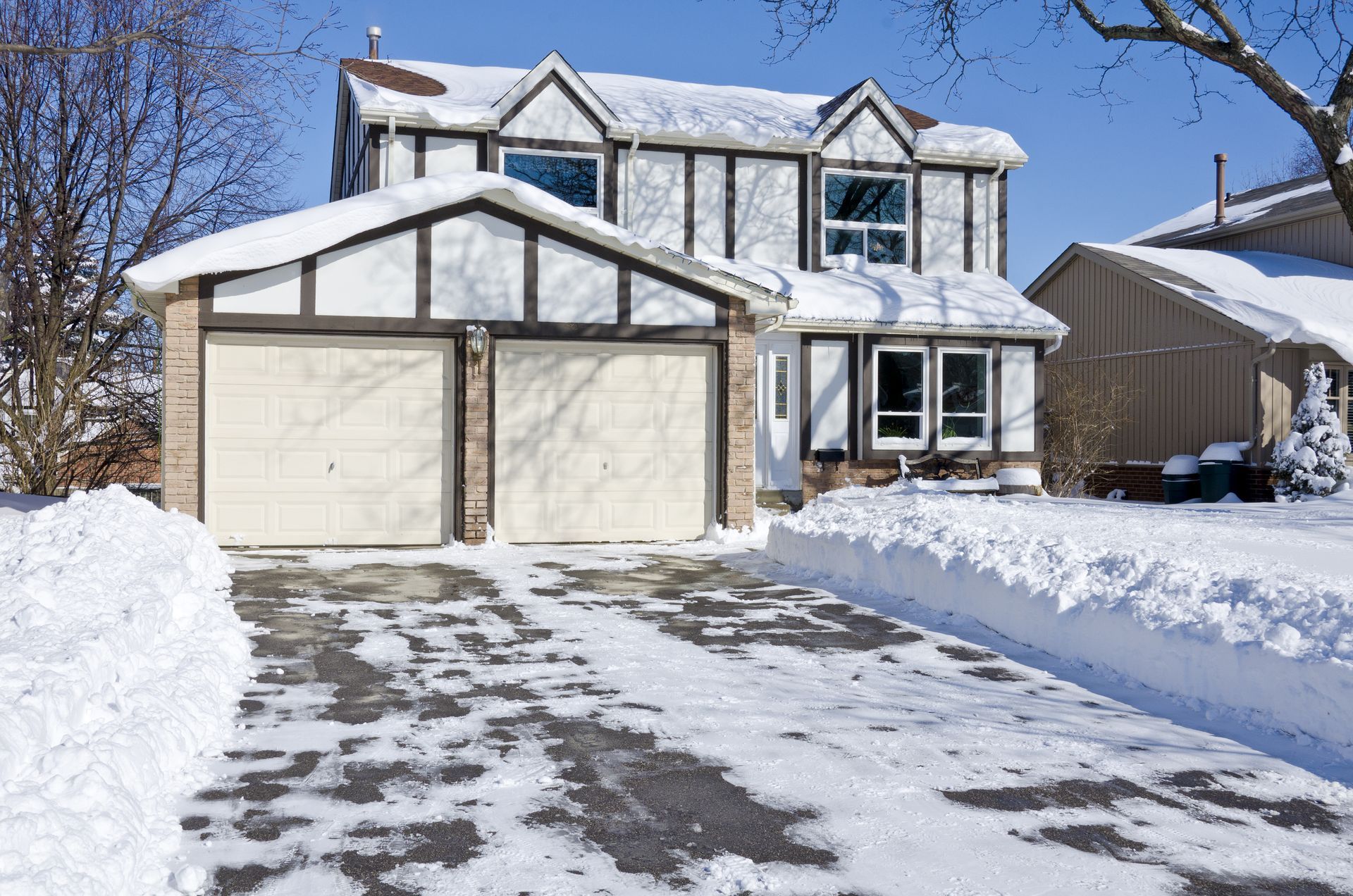
After clearing, you notice exposed pavement on driveways and parking lots, defined walkway edges free from packed snow berms, and treated surfaces that remain navigable even as temperatures drop overnight. Cleared sidewalks stay visible rather than blending into surrounding snow-covered lawns, and vehicle traffic resumes without wheels spinning on compressed snow layers.
Snow management differs between residential and commercial applications—residential clearing prioritizes single-family access routes and maintains clear paths to entryways, while commercial work addresses liability concerns across larger surface areas with higher foot and vehicle traffic volumes. Timing matters as much as technique, since delays allow snow compaction that requires more aggressive removal methods and creates longer surface drying times after temperatures rise.
What Property Owners Usually Ask
Snow accumulation patterns and temperature swings in Owensboro determine when properties require clearing and how soon refreezing becomes a concern after initial removal.
What determines when snow removal begins?
Clearing typically starts once accumulation reaches two inches on paved surfaces, though commercial properties often request earlier response to maintain access during business hours and prevent foot traffic from compacting initial snowfall into slick patches.
How does ice management differ from snow clearing?
Ice management applies granular or liquid treatments after mechanical removal to prevent refreezing, targeting areas where meltwater pools or where shaded sections stay below freezing longer than sun-exposed pavement.
What happens to snow removed from driveways and parking lots?
Removed snow gets pushed to designated areas along property edges or into unused lawn sections where spring melt won't redirect water toward foundations or create drainage problems across neighboring properties.
When should sidewalks be cleared relative to driveways?
Pedestrian routes require priority clearing before foot traffic begins, since packed snow on walkways creates slip hazards faster than vehicle-compressed snow in driveways where tire tread initially provides some traction.
How long does ice treatment remain effective after application?
Granular treatments continue working for 24 to 48 hours depending on temperature fluctuations and precipitation, while liquid applications provide shorter-term protection that requires reapplication if additional snow or freezing rain follows the initial clearing.
H&M property management coordinates snow removal response based on forecast timing and property access priorities, ensuring residential driveways and commercial lots remain navigable throughout winter weather events. Arrange a consultation to establish clearing protocols and treatment preferences for your property before the next snowfall arrives.